
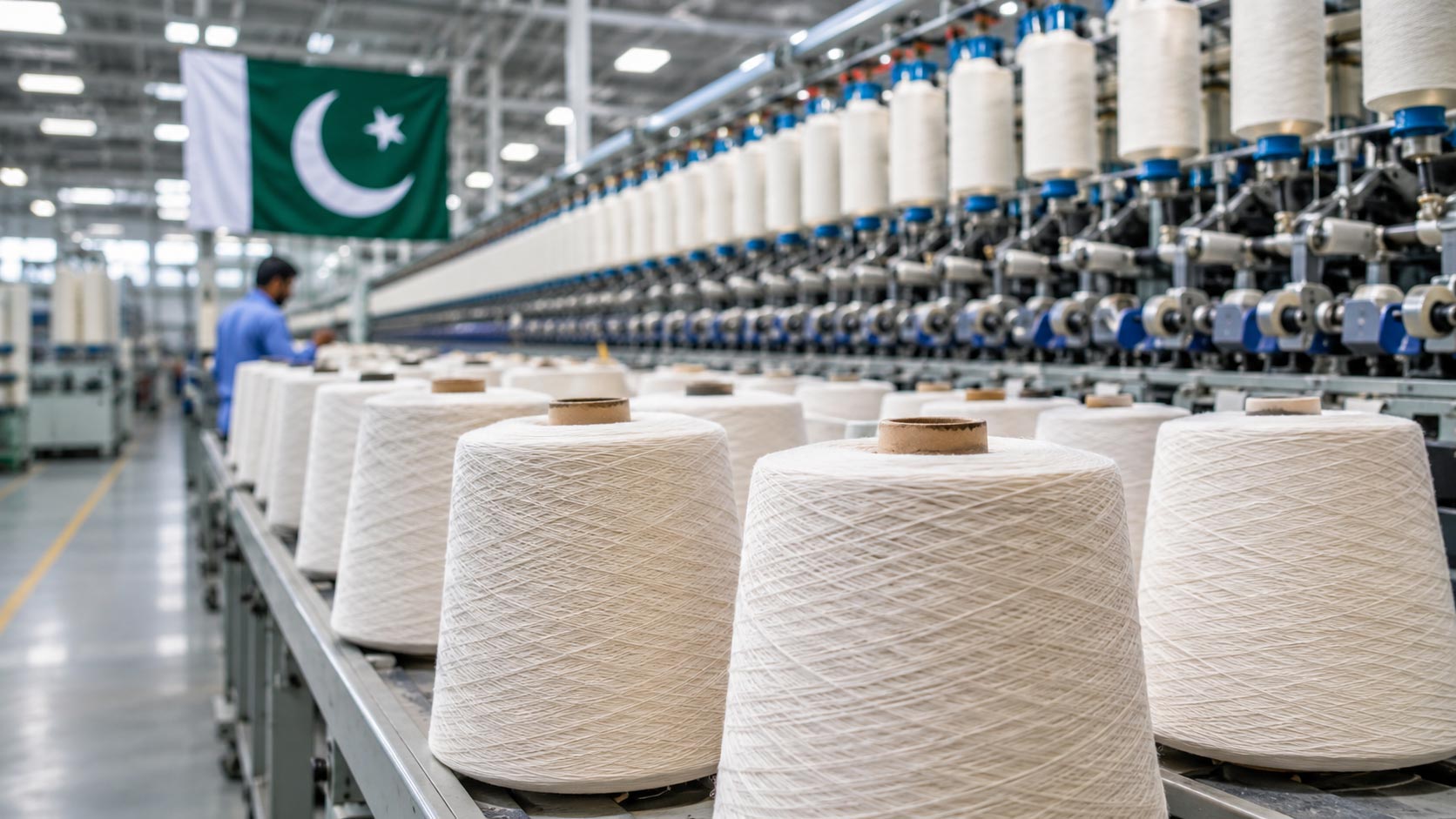
The Rising Momentum of Pakistani Ring-Spun Yarns
The global textile arena is undergoing a structural shift toward high-quality, traceable natural fibers, placing South Asian spinning hubs under the international spotlight. Among the leading players, Pakistan’s cotton spinning sector continues to demonstrate exceptional adaptability and strength. Driven by decades of spinning expertise, technological upgrades in ring-spinning frames, and a strategic pivot toward value-added yarn counts, the nation’s textile exporters are successfully capturing key market shares across Asia, Europe, and North America.
The Rising Momentum of Pakistani Ring-Spun Yarns
Pakistani spinning mills are globally renowned for their production of coarse to medium count carded and combed cotton yarns, particularly in the 10s to 40s range. These yarn counts form the core structural backbone for high-durability denims, heavy-duty home textiles, knitwear, and institutional bedwear. Recent industry figures reflect robust foreign buyer interest, with Pakistani cotton yarn exports achieving strong double-digit growth across strategic international trade corridors.
A key factor driving this growth is the rapid modernization of spinning machinery in key industrial centers such as Karachi, Faisalabad, and Multan. By adopting modern auto-coners, electronic yarn clearers, and digital spindle monitoring, local manufacturers ensure high Lea Product (CSP) values and minimal imperfections (IPI ratings). This technical precision allows global buyers to run Pakistani yarns on high-speed air-jet and rapier looms without excessive yarn breakage, maximizing weaving and knitting efficiency worldwide.
Strategic Advantages for Global Buyers
International sourcing managers increasingly turn to Pakistan for several key operational advantages:
- Versatile Staple Selection: Spinning mills blend native cotton varieties with premium imported long-staple fiber to engineer custom yarn specifications tailored for fine-count luxury bedwear or durable activewear.
- Competitive Cost-to-Quality Ratio: Modern energy management, optimized production workflows, and lean supply chain models allow Pakistani exporters to offer attractive FOB and CIF price points without sacrificing yarn strength.
- Direct Digital Sourcing: The elimination of traditional intermediary layers through digital platforms like YarnTrade.net enables global buyers to directly negotiate specifications, sample runs, and bulk delivery timelines with certified spinners.
Alignment with Global Circularity & Eco-Standards
As international supply chains shift toward strict sustainability frameworks—such as the EU Digital Product Passport (DPP) and Global Recycled Standard (GRS)—Pakistani spinning units are taking proactive leads. Mill owners are investing heavily in OEKO-TEX STANDARD 100, GOTS (Global Organic Textile Standard), and BCI (Better Cotton Initiative) certifications. By pairing clean production methods with transparent chain-of-custody documentation, Pakistan ensures its yarn products meet the stringent environmental standards of top fashion houses in Europe and North America.
Positioning for the Future of Textile Sourcing
The outlook for Pakistan’s cotton yarn sector remains exceptionally bright. As global apparel and home textile brands prioritize resilient, high-performance, and ethically produced raw materials, Pakistani spinners are well-positioned to expand their footprint. By utilizing B2B sourcing platforms to streamline RFQs and sample approvals, international buyers can easily tap into Pakistan’s world-class spinning capacity with full confidence and speed.
